Safety Comes First: Knowing When to Call Professional Tree Removal Services
Tree removal is a critical decision for homeowners. Safety should remain the primary concern, especially when trees pose potential hazards. Weakened or infected trees can put both property and lives at risk. Recognizing the signs that indicate a tree's removal is necessary is essential. Homeowners should recognize the hazards at hand and the value of seeking expert help. The actions taken throughout this process can be decisive in maintaining a secure environment.
Recognizing When Your Tree Poses a Danger
Weather patterns also have a significant impact; strong winds or severe storms can worsen an already compromised tree. Regular assessments by a professional arborist can help identify these hazards before they escalate. Homeowners should stay vigilant, especially after severe weather events, and act promptly if they observe concerning symptoms. Ultimately, early recognition and intervention can prevent accidents and protect both property and lives.
The Hazards of Overlooking Tree Health
Neglecting tree health can lead to significant risks for homeowners and their properties. Neglected trees are prone to developing structural instabilities, heightening the chance of branches fracturing or complete trees collapsing, especially in severe weather. These events present dangers not only to the house and nearby structures but also to individuals in the surrounding area. Additionally, unhealthy trees can attract pests and diseases, which may spread to healthy vegetation, compromising the entire landscape. This risk of spreading damage generates additional financial burden, as expenses for treatment or removal can increase quickly. Furthermore, unsightly trees can diminish property value, impacting marketability when it comes time to sell. Homeowners may find themselves facing not only aesthetic issues but also hidden liabilities. Consequently, routine maintenance and dedication to tree health are critical in minimizing these risks and safeguarding the safety and aesthetics of the property.
Identifying Tree Diseases That Require Expert Attention
How can homeowners effectively recognize tree diseases that necessitate professional intervention? Identifying symptoms early is vital for maintaining tree health and safety. Residents should be on the lookout for warning signs including discolored leaves, unexpected growths, or bark irregularities. Wilting, stunted growth, or sudden leaf drop can indicate distress. Fungal growths, like mushrooms at the base, signal potential root problems, while cankers and oozing sap may suggest infections.
Furthermore, pest infestations, characterized by holes in leaves or visible insects, can undermine tree integrity and heighten disease risk. Trees displaying these warning signs often demand specialized inspection, as untreated issues can lead to structural instability. Working with certified arborists ensures precise assessments and effective treatment strategies, safeguarding not only the trees but also surrounding landscapes. Spotting these warning signs in advance permits homeowners to implement proactive strategies, supporting enduring health and stability.
How the Proximity of Trees to Structures Impacts Safety
The health of trees is not solely determined by disease but is also heavily impacted by their closeness to surrounding structures. Trees that are situated too near to buildings, fences, or sidewalks can present serious safety hazards. The roots of such trees can undermine foundations and result in structural damage, while find this resource their branches can obstruct roofs, gutters, or power lines during severe weather. Furthermore, trees that extend over properties may become dangerous as they risk falling during strong winds or harsh weather conditions.
In city settings, restricted areas influence how trees grow, commonly producing fragile branches and unfavorable growth patterns. This nearness can likewise intensify competition for water and nutrients, thereby reducing the vitality of the trees. Periodic inspections are critical to assess the dangers linked to trees situated near structures, considering their species, dimensions, and general health. Guaranteeing proper separation between trees and structures can address safety issues and support more robust development.
Why You Should Consider Hiring Tree Removal Pros
Employing skilled tree removal professionals presents substantial advantages as a result of their skill and expertise in the field. These specialists are well-equipped to address intricate tasks while decreasing safety dangers and liability exposure. Opting for their services secures both successful tree maintenance and peace of mind for property owners.
Skill And Experience
When confronted with the demanding task of tree removal, individuals often fail to recognize the complexities involved. Professional tree removal services bring a wealth of expertise and experience that is vital for effective and safe removal. Skilled arborists possess in-depth knowledge of tree science, growth characteristics, and the particular methods required for a wide range of trees. Their experience allows them to assess the situation accurately, recognizing possible dangers and finding the most suitable strategy for removal. Moreover, specialists are furnished with advanced tools and machinery that boost precision and effectiveness, minimizing the risk of damage to adjacent property. By hiring experts, property owners can guarantee that the job is completed correctly, ultimately conserving time and alleviating stress.
Security And Liability Risks
Tree removal can pose significant safety hazards and liability concerns that are commonly disregarded by those attempting the task themselves. Untrained individuals may underestimate the difficulties involved, causing mishaps that can result in personal injury or damage to property. Falling branches can cause injury to people in the vicinity, while improper handling of tools may lead to self-inflicted injuries. Moreover, if nearby properties sustain damage, the homeowner may be responsible for covering repair costs. Professional tree removal services are trained in the use of specialized training, safety gear, and insurance to mitigate these risks. By working with qualified professionals, homeowners are able to secure a more secure removal but also safeguard against potential liability, making qualified professional help an intelligent option for tree-related concerns.
What to Anticipate During Professional Tree Removal
Throughout the professional tree removal process, the operation begins with an initial inspection to assess the tree's condition and surrounding environment. Advanced equipment and specialized techniques are then applied to ensure efficient and safe tree removal. Upon completion, post-removal tidying measures are carried out to rehabilitate the surrounding space, leaving it tidy and free of debris.
Initial Assessment Process
Before tree removal begins, a comprehensive initial inspection is essential to secure safety and efficiency. During this phase, skilled specialists will evaluate the condition, size, and placement of the tree in connection with adjacent structures and utility lines. They will also recognize likely risks, such as dead branches or disease, that could complicate the overall removal effort. Evaluating the adjacent area helps determine the best approach and necessary precautions. The crew may also review the property owner's goals and concerns to confirm alignment on the overall plan. This thorough assessment sets the foundation for a safe and effective procedure, limiting safety concerns and confirming that the project adheres to established safety guidelines and local regulations. Proper evaluation is fundamental for a smooth tree removal experience.
Tools and Methods Employed
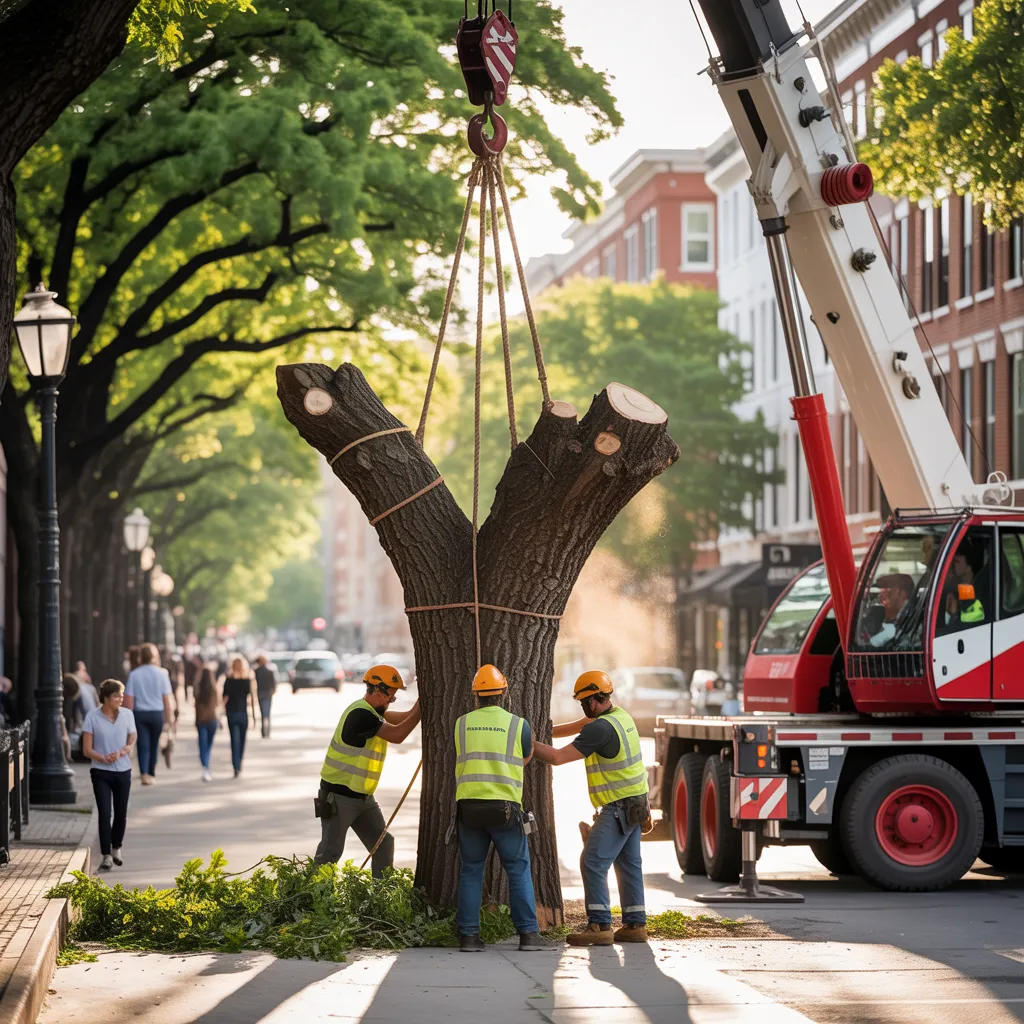
While each tree removal project is unique, experts generally depend on an array of specialized tools and methods to guarantee the task is executed safely and efficiently. Chainsaws remain a fundamental piece of equipment, facilitating exact cuts through the trunk and branches. Certified arborists regularly utilize ropes and safety harnesses to keep themselves safe and manage the lowering of heavier branches. For particular situations, cranes or bucket trucks are brought in to safely reach and work on taller trees. In addition, chippers are operated to turn branches into usable mulch, minimizing debris. Professionals assess the surrounding area to identify the most effective course of action, often employing techniques like directional felling to dictate the precise path of the falling tree. Such meticulous planning and strategic equipment selection work together to deliver a smooth and secure removal process.
Cleanup Procedures Following Removal
Following the safe removal of the tree, the cleanup work commences to return the area to its original condition. The professionals will begin by removing large branches and sections of the trunk, frequently breaking them down into workable sections. Stump grinding often comes next, where the remaining stump is ground down to below ground level, minimizing its visibility and preventing regrowth.
Following this, any remaining debris, such as leaves and small branches, is collected and removed. The crew will also tend to any damage affecting nearby plants or grass, keeping the landscape in good condition. As a final step, they will present replanting or landscaping options for the cleared area if the owner desires. Throughout the process, safety remains a priority, ensuring the site is left clean and hazard-free for the property owner.
Commonly Asked Questions
What Is the Typical Cost of Professional Tree Removal?
Professional tree removal typically costs between $200 and $2,000, based on factors including tree size, location, and accessibility. Services beyond basic removal, including stump grinding and debris cleanup, may raise the overall price for homeowners.
Can I Remove a Tree Myself Legally?
Yes, people can lawfully handle tree removal themselves, provided they comply with local regulations and obtain necessary permits. However, it's essential to assess risks and potential liabilities associated with the task before proceeding.
What Permits Are Needed for Tree Removal?
In most cases, a permit for removing a tree may be needed based on local ordinances, the tree species, and its size. Property owners are advised to consult with local authorities to confirm compliance with required permits prior to initiating removal.
How Long Does the Tree Removal Process Take?
The tree removal process usually spans anywhere from a few hours to an entire day, based on the size, location, and complexity of the tree. Factors like the weather and any necessary permits can further impact the overall duration of the project.
Does Tree Removal Cause Damage to My Lawn or Landscaping?
Tree removal has the potential to harm yards and surrounding greenery, especially because of the use of heavy machinery and interference with underground roots. Nevertheless, skilled professionals often take precautions to minimize impact, making sure the surrounding area is rehabilitated to the greatest extent feasible once the job is complete.